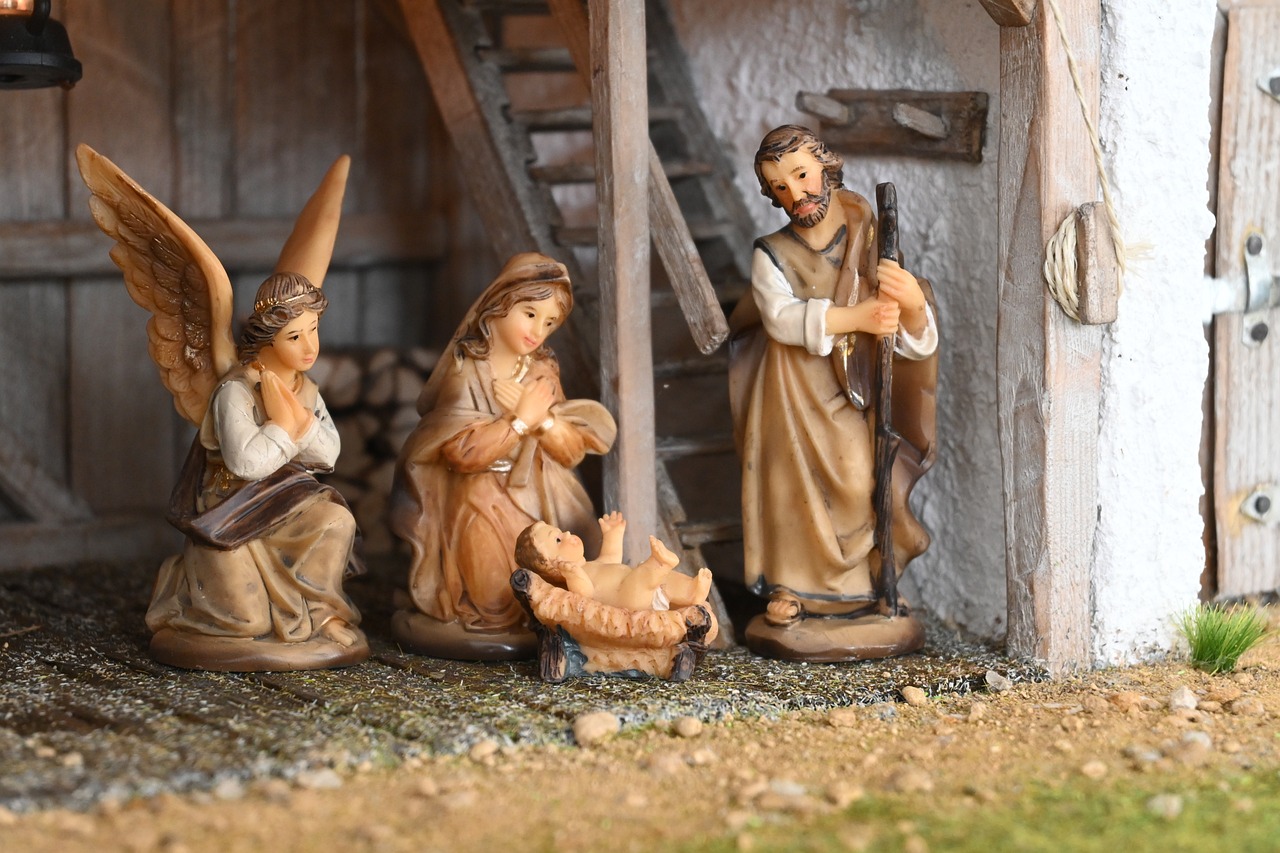
The Christmas story is one of the most cherished narratives in Christianity, celebrated globally as the miraculous birth of Jesus Christ. This story, grounded in the Gospels of Matthew and Luke in the New Testament, encapsulates themes of hope, redemption, and divine love. Let us explore the intricate details of this divine narrative, unraveling its spiritual and historical significance from the Christian perspective.
The Prophecy of the Messiah
Centuries before the birth of Jesus, the Old Testament foretold the arrival of the Messiah. Prophecies in books such as Isaiah and Micah described a Savior who would bring light to a world shrouded in darkness. Isaiah 7:14 proclaims, “The virgin will conceive and give birth to a son, and will call him Immanuel,” meaning “God with us.” These prophecies laid the foundation for the anticipation of Jesus’ birth, a moment eagerly awaited by the Jewish people.
The Annunciation: A Divine Message
The story begins with the Annunciation, where the angel Gabriel visits Mary, a young woman from Nazareth. In Luke 1:26-38, Gabriel delivers the astonishing news: Mary, though a virgin, would conceive a child by the Holy Spirit. She is to name Him Jesus, and He will be the Son of God. This moment highlights Mary’s faith and obedience as she responds, “I am the Lord’s servant. May your word to me be fulfilled.”
Joseph’s Dream: Faith Amid Doubt
Joseph, Mary’s betrothed, initially struggles with disbelief upon learning of her pregnancy. However, an angel appears to him in a dream (Matthew 1:20-21), reassuring him that Mary’s child is conceived by the Holy Spirit. The angel instructs Joseph to name the child Jesus, meaning “The Lord saves,” for He will save His people from their sins. Joseph’s acceptance exemplifies trust and courage in fulfilling God’s plan.
The Journey to Bethlehem
As decreed by Emperor Augustus, a census required every family to return to their ancestral towns. Joseph and Mary embarked on a challenging journey to Bethlehem, the City of David, fulfilling the prophecy that the Messiah would be born there (Micah 5:2). Despite Mary’s advanced pregnancy, the couple’s steadfastness underscores their faith and resilience.
The Humble Birth in a Manger
Upon reaching Bethlehem, Mary and Joseph found no lodging, as the inns were full. They sought shelter in a stable, where Jesus was born. Mary wrapped Him in swaddling cloths and laid Him in a manger (Luke 2:7). The humble setting of His birth symbolizes Jesus’ mission to connect with the lowly and marginalized, bringing hope to all humanity.
The Angelic Announcement to the Shepherds
The first to hear of Jesus’ birth were shepherds, tending their flocks in nearby fields. An angel appeared to them, proclaiming, “Today in the town of David, a Savior has been born to you; He is the Messiah, the Lord” (Luke 2:11). A host of angels joined in praise, declaring, “Glory to God in the highest heaven, and on earth peace to those on whom His favor rests.” The shepherds’ visit to the manger marks their role as witnesses to this divine event.
The Star of Bethlehem and the Magi
Far to the east, wise men, or Magi, observed a brilliant star signaling the birth of a king. They journeyed to Jerusalem and sought guidance from King Herod, who covertly plotted against the child. The star guided them to Bethlehem, where they presented gifts of gold, frankincense, and myrrh to Jesus. These gifts symbolize His kingship, divinity, and foreshadowing of His sacrificial death.
Herod’s Decree and the Flight to Egypt
Alarmed by the prophecy of a new king, Herod ordered the massacre of all male children under two years old in Bethlehem (Matthew 2:16). Warned by an angel, Joseph fled with Mary and Jesus to Egypt, ensuring their safety. This escape fulfilled the prophecy, “Out of Egypt I called my son” (Hosea 11:1), further affirming God’s divine protection over Jesus.
The Return to Nazareth
After Herod’s death, the Holy Family returned to their home in Nazareth. Here, Jesus grew in wisdom and stature, preparing for His earthly ministry. The return to Nazareth fulfilled the prophecy that He would be called a Nazarene, signifying His humble and unassuming beginnings.
The Spiritual Significance of the Christmas Story
The Christmas story is more than a historical event; it represents the fulfillment of God’s promise to redeem humanity. Jesus’ birth demonstrates divine humility, as the Son of God entered the world in the most modest circumstances. For Christians, this narrative emphasizes God’s love and grace, offering salvation to all who believe.
How the Christmas Story Shapes Christian Faith
- Hope and Redemption: The story reinforces the hope of eternal life through Jesus Christ. His birth is a testament to God’s plan for humanity’s redemption.
- Faith and Obedience: The actions of Mary, Joseph, and the shepherds exemplify unwavering faith and trust in God’s will.
- Unity and Inclusivity: The inclusion of shepherds and Magi signifies that Jesus came for all, regardless of status or background.
- Love and Sacrifice: The Christmas story foreshadows Jesus’ ultimate sacrifice on the cross, embodying the essence of divine love.
The Christmas Story in Contemporary Celebrations
Modern Christmas traditions, such as Nativity plays, carols, and decorations, draw inspiration from the biblical account. These practices serve as reminders of the sacred event and its impact on the world. For Christians, the story is not just a seasonal narrative but a profound truth celebrated throughout the year.
Conclusion
The Christmas story, as told from the Christian perspective, is a timeless account of God’s love and salvation. It is a message of hope, faith, and redemption that continues to inspire believers worldwide. By reflecting on the miraculous birth of Jesus, Christians are reminded of the profound grace that defines their faith.